Insight
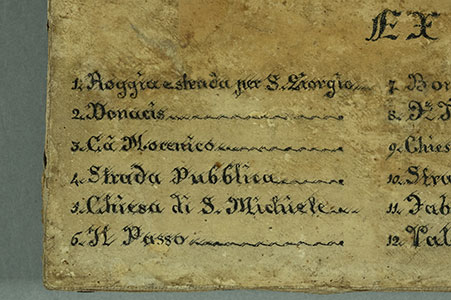
FIRST COLUMN: FROM 1 TO 6
1. Roggia e strada per S. Giorgio (Canal and road for S. Giorgio)
Now provincial road 73.
2. Donacis
Family attested from the XVII century.
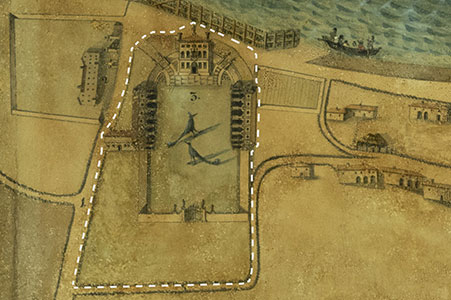
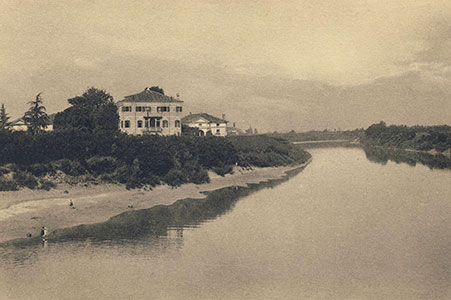
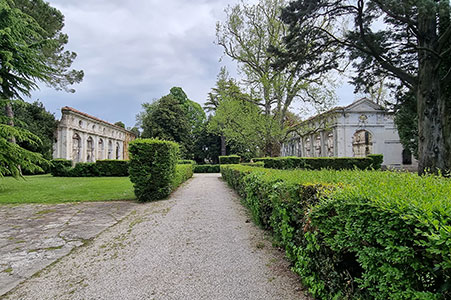
3. Ca' Mocenico
An old judicial family whose palace was already in place in 1599. To the right and left of the building there are two barchesse of the seventeenth century, attributed to the architect Baldassare Longhena.
4. Public road
Currently Via Carlo Ivancich.
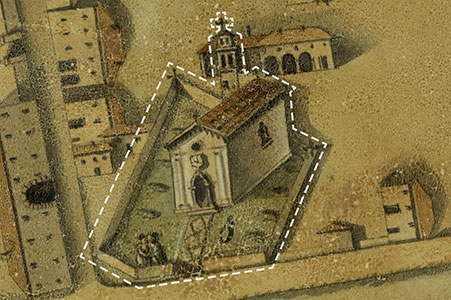
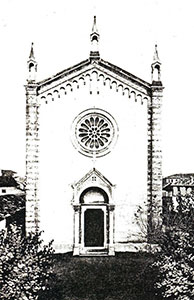
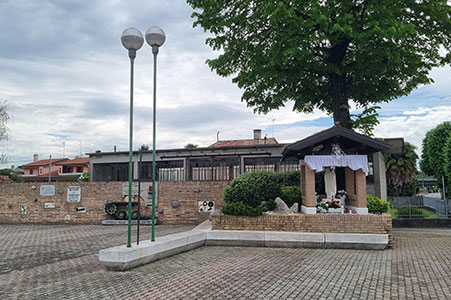
5. Church of San Michiele
A church dedicated to St. Michael is attested in 1518. In the twentieth century a new parish church was built on the site of an older church. Damaged during the First World War, it was destroyed during the Second World War.
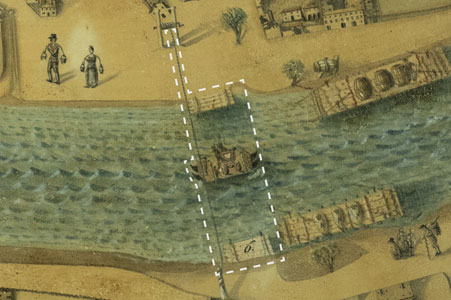
6. The Pass
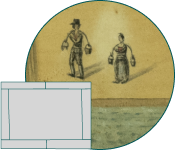
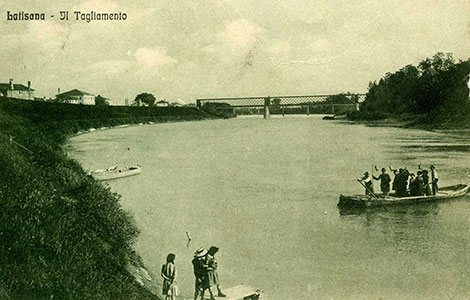
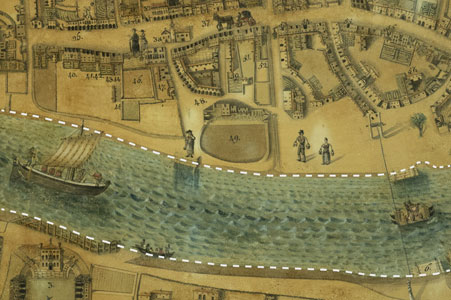
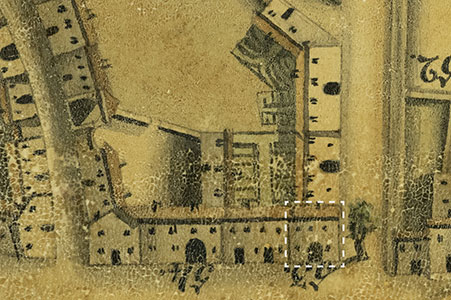
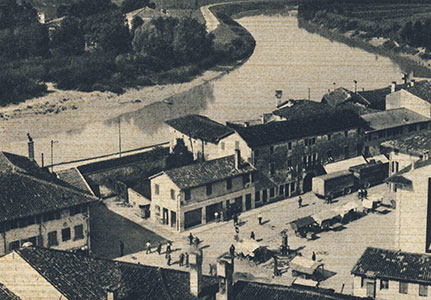
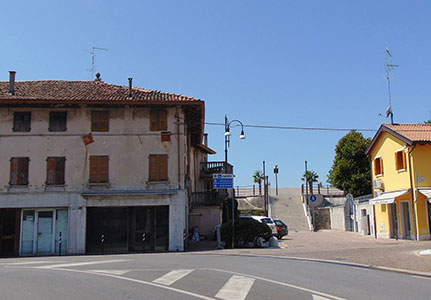
The Pass is the crossing point of the Tagliamento river from one bank to the other for the transport of people, animals and goods.
SECOND COLUMN: FROM 7 TO 12
7. Bonis
A so-called family is attested in Latisana in the XVII century.
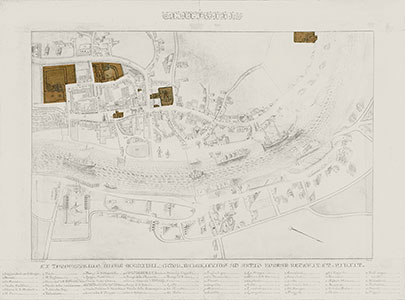
8. Tagliamento River
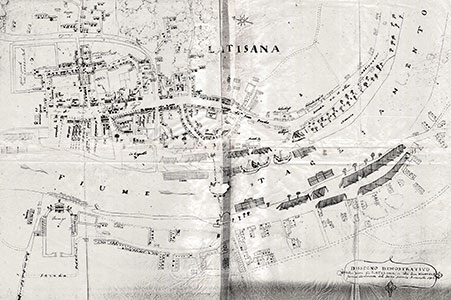
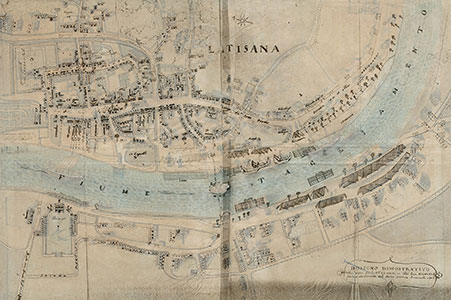
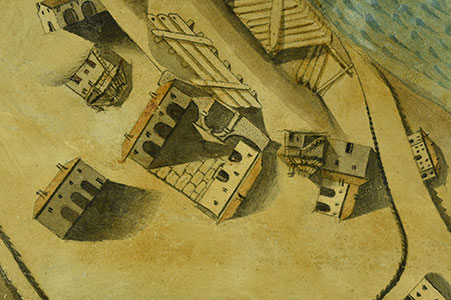
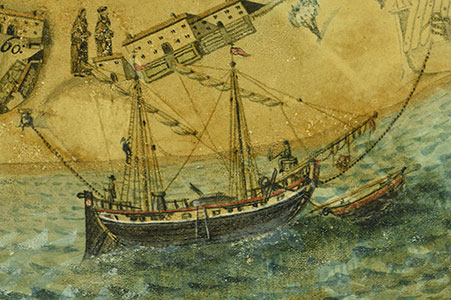
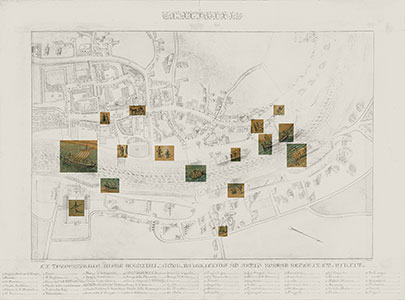
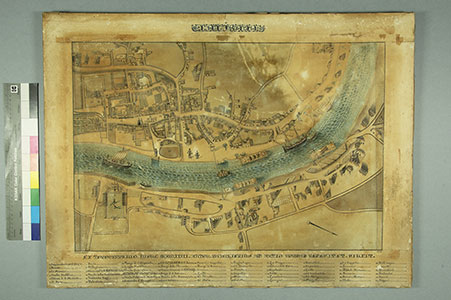
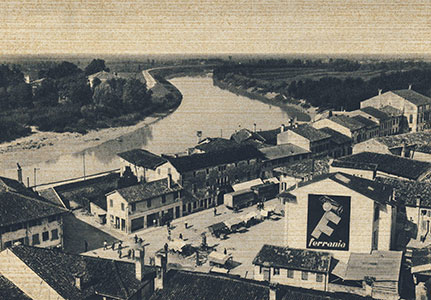
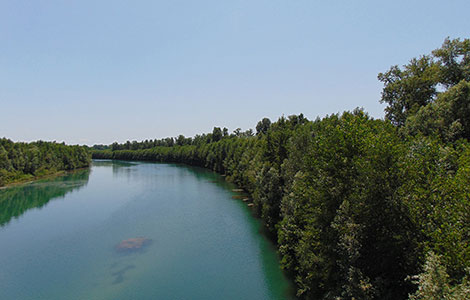
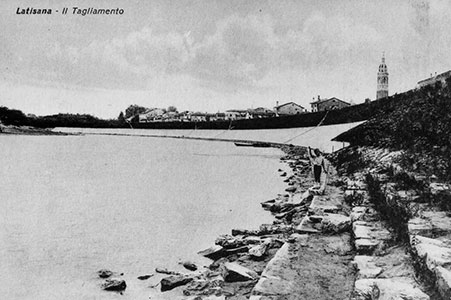
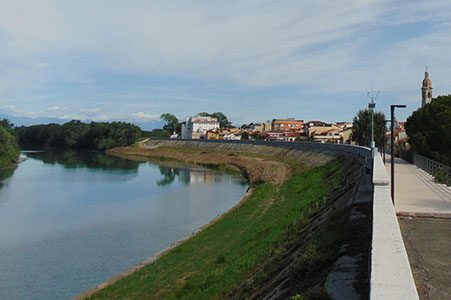
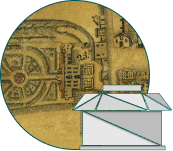
It is the most important river in Friuli and has marked, for better or for worse, the life of Latisana. The map by Antonio Banchieri gives the opportunity to observe the liveliness of the activities of the ancient river port of Latisana, documented since 1226.
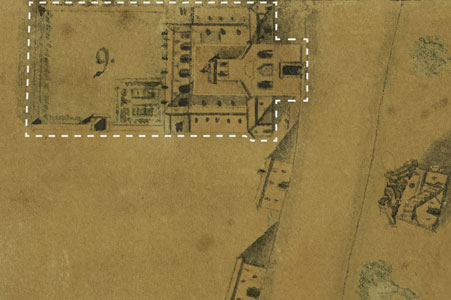
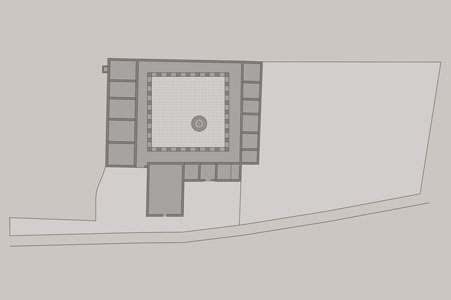
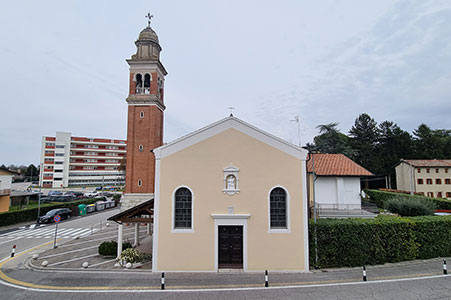
9. Church and Convent of the Reverend Fathers of S. Antonio Sab.
The Church and Convent of the Reverend Fathers of St. Anthony, called the Church of S. Maria della Sabbionera and later the Church of the Beata Vergine delle Grazie (Blessed Virgin Mary of Graces), was built in 1578. The adjacent Franciscan convent was founded in 1638 at the request of Fra Vincenzo Mocenigo.
10. Strada della Sabbionera (Road of the Sabbionera)
The name Sabbionera is attested in 1519. It refers to lands or to an area with mainly sandy and dark-coloured land.
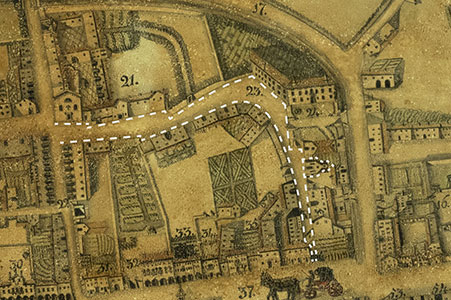
11. Suzzi Factories
The term factories should be understood as buildings. The Zuzzis were originally from San Michele. In the eighteenth century they had the title of Count of Roverbasso and Restegliuzza by the Republic of Venice.
12. Valentinis
An old judicial family: the Valentinis of Latisana (early XVII century) were a branch of the Valentinis originating in Aquileia and transplanted to Udine in the XIII century. They owned property and a manor house in Ronchis and Venice. They had a seat in the Consortium of noble judges of the fief of Latisana.
THIRD COLUMN: FROM 13 TO 18
13. Borgo di Sottopovolo (Village of Sottopovolo)
Sottopovolo litterally means “under the poplar” (from the Venetian povolo, poplar) and it recalls the custom of heads of families gathering under a poplar in the Middle Ages. It was a rural administrative municipality separated from the Port of Latisana. Named in 1546, it developed along the current Via Sottopovolo.
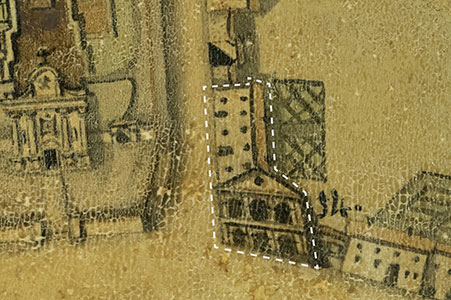
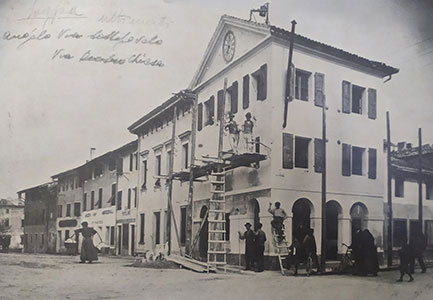
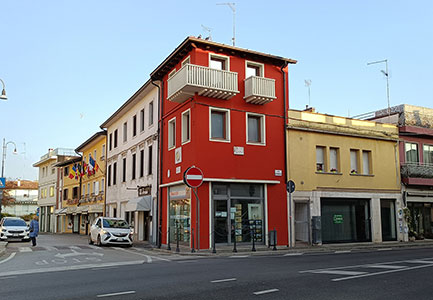
14. Public Loggia
It was the building in which the assembly of heads of families met, the vicinia, to decide on the various administrative matters of the municipality. It was the seat of the Municipality in the Austrian period until 1897.
15. Strada dietro Chiesa (Road behind the Church)
Its name is very old. In a document of 1547 the place is indicated as Post Gesia. Later it will become In loco dopo chiesa, Drio Chiesa di S. Zuanne, Drio Chiesa, Drio Cesa.
16. Parish Abbey Church of S. Gio.ni Bat.ta and Can.ca dell'Abbate (Abbot Vicarage)
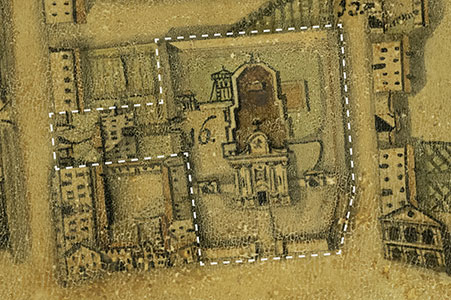
The first testimony of the Parish Abbey Church of S. Giovanni Battista and Abbot Vicarage dates back to 1368. In 1504 the church was completely remodeled. Around 1750 it was renovated by the Lombard architect Luca Andrioli.
17. Public Road of Ronchis
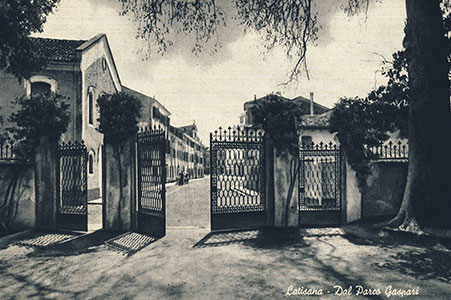
It is the current Via Egregis Gaspari dedicated to the noble Rosa de Egregis, widow Gaspari, who died in 1888. She left a substantial donation for the foundation of the nursery school, now a kindergarten, which bears her name.
18. Contrada of Osoppo
The contrada was located near the current Piazzale Osoppo. Its name appears in 1573 referring to the whole suburb: In Osophio portus Latisanae. It is also mentioned in Friulian: Braida in Osôf.
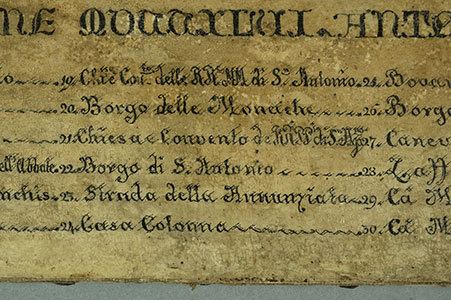
FOURTH COLUMN: FROM 19 TO 24
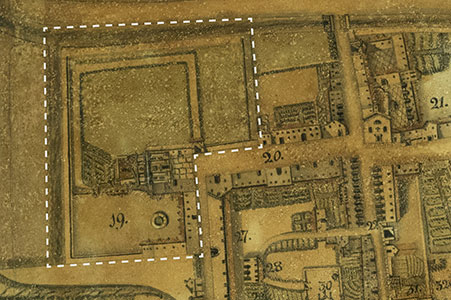
19. Church and Convent of the R.R.e M.M. di S.n Antonio (Most Reverend Mothers of St. Anthony)
The history of the Church of St. Anthony of Padua, built by the will of the patron of Latisana Gasparo Morossi, until 1810 is intertwined with that of the Monastery or Convent of the Franciscans. In 1733 the monastery was cloistered. The citizens of Latisana have always had a lot of affection for this place of worship.
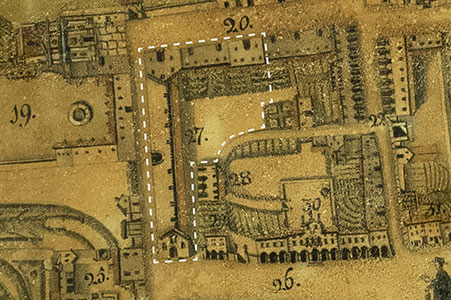
20. Borgo delle Monache (Village of the Nuns)
The village was located along the current Via Carlo Goldoni. The name, until the end of the nineteenth century, is due to the fact that it led to the Church of St. Anthony of Padua, annexed to the convent of the Franciscan nuns.
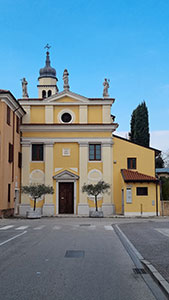
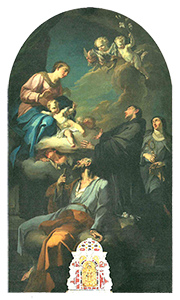
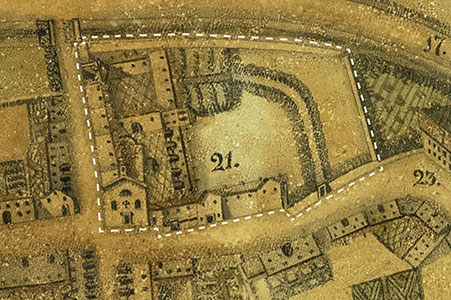
21. Church and Convent of the R.R.i PPi di S. Ago.no (Most Reverend Fathers of St. Augustine)
The church of S. Antonio Abate and the Augustinian convent are attested in 1466 and 1486. The convent was founded in the early eighties of the fifteenth century by the will of the couple Zaccaria Vendramin and Chiara Capello. In 1769 the convent was suppressed by the Venetian Republic and immediately afterwards used for civil uses. In 1806 the church was used as a warehouse. The complex, sold to the Gasparis, was destroyed by fire in 1917.
22. Borgo di S. Antonio (Village of St. Anthnoy)
The village is attested in 1572: In burgo S. Antoni versus porta Sancti Ioanis. The door of S. Antonio was one of the two gates that allowed access to the medieval village, at the end of the current Via Vittorio Veneto. The other door, of S. Giovanni, was located between the beginning of Via Vendramin and Piazza Garibaldi.
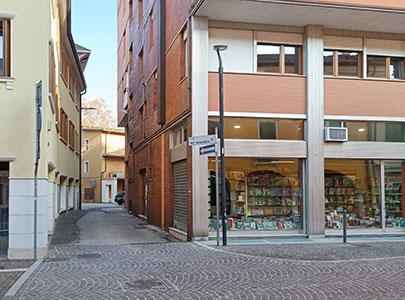
23. Strada della Annunziata (Road of the Annunciation)
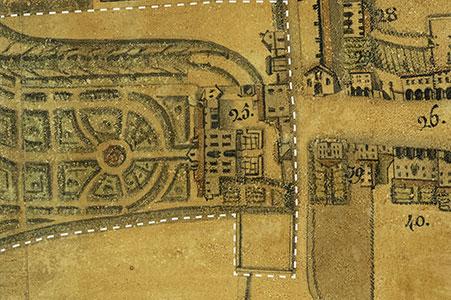
It is the current Calle della Annunziata, attested in 1835 as Strada com. dell'Annunziata. The name takes up the presence of a church dedicated to Our Lady of the Annunciation. Dating back to 1657, it was suppressed at the beginning of the '900
24. Casa Colonna (House Colonna)
It is a Roman patrician family, attested in Latisana in the XVII century.
FIFTH COLUMN: FROM 25 TO 30
25. Bovaria Cappello
The term Bovaria, from boarìa, indicates a large farm. The Cappellos were a Venetian patrician family. In Latisana they are attested in the eighteenth century
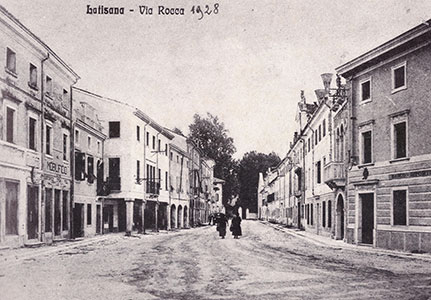
26. Borgo di Rocca (Village of Rocca)
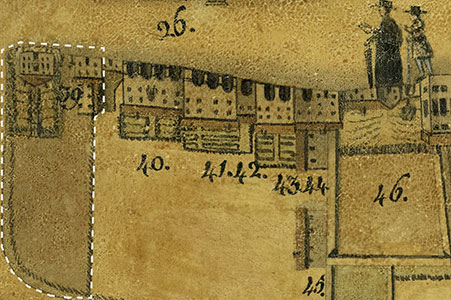
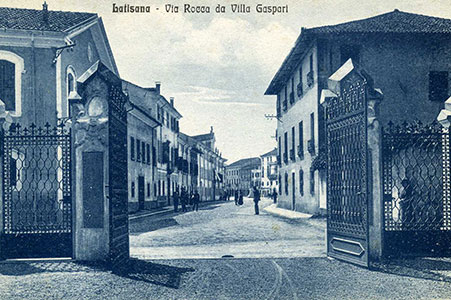
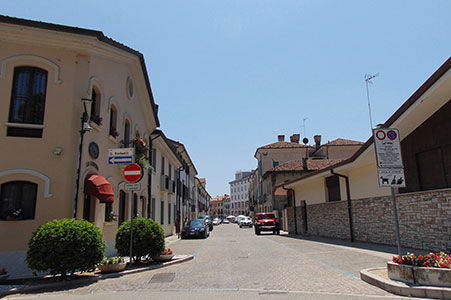
The village was located along the current Via Rocca. It is attested in 1543 In loco dicto la de la Roccha. Rocca was the name given to a tower built in the fourteenth century to defend the town of Latisana. It was located approximately at the end of the current Via Rocca. It was destroyed at the beginning of the sixteenth century.
27. Canevon
Canevon is a term that in Venetian indicates a large cellar.
28. Zaffi
The name of this building may refer to the Zaffi family, whose surname is widespread in Tuscany and Emilia Romagna, or to the residence of the zaffi, the guards at the service of the feudal court. They are named in a trial of the Inquisition that took place in Latisana in 1591.
29. Ca' Minotto
Venetian patrician family who had feudal possessions in Latisana. It was part of the Consortium of Jurists in the eighteenth century.
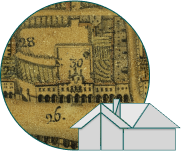
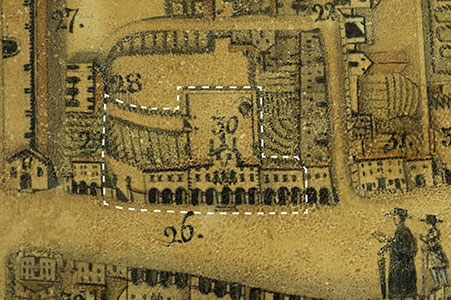
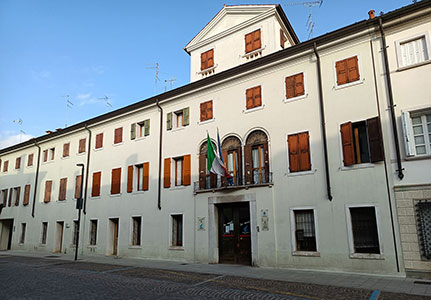
30. Ca' Molin
Venetian patrician family, present in Latisana in the seventeenth century. It was part of the Consortium of Jurists. Palazzo Molin, then Molin Pittoni Vianello, dates back to the seventeenth century.
SIXTH COLUMN: FROM 31 TO 36
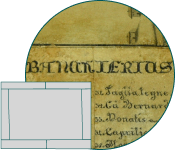
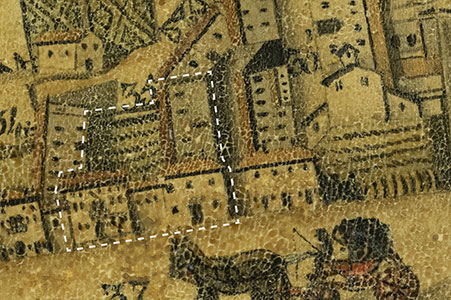
31. Taglialegne
Family attested in Latisana in the XVII centrury. In 1810 the palace of the Vendramin family was bought by Santina Renso-Taglialegne.
32. Cà Bernardo
Venetian patrician family present in Latisana in the Consortium of Jurists in the XVI century (1585).
33. Donatis
Donatis or Donati: family originally from Orio, of Bergamo. It is attested in Latisana in the XVIII centrury.
34. Caprilio
Caprilio or Caprileo: family attested in Latisana in the XVI century. They were lawyers and notaries.
35. Morossi
Family maybe originating from Venzone and settled in Latisana around 1500. The members of this family were jurists, lawyers and notaries.
36. Canelle
At the moment we do not have news about this family. Their surname is mainly spread in the in the Veneto-Emilian area.
SEVENTH COLUMN: FROM 37 TO 42
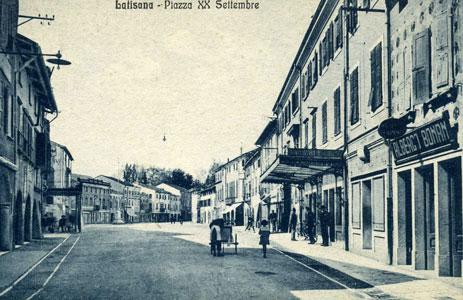
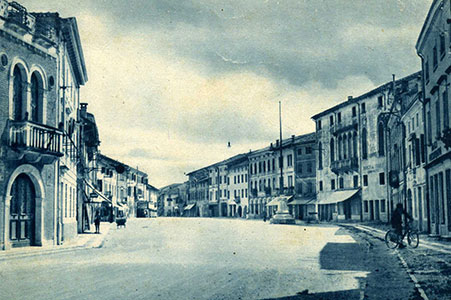
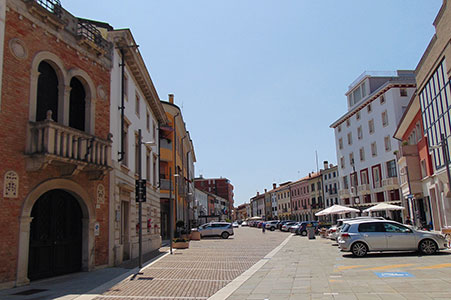
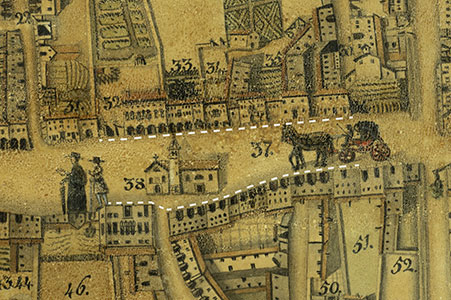
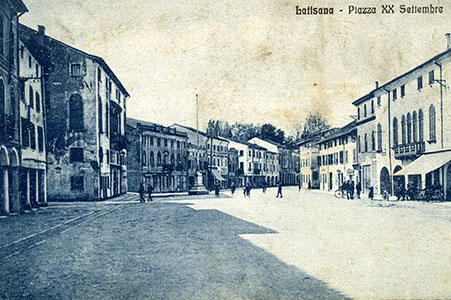
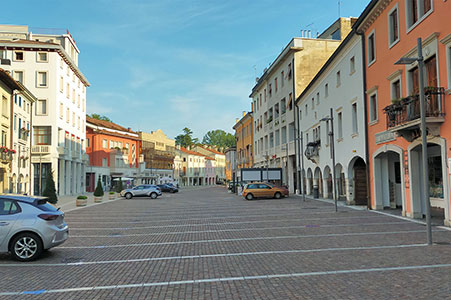
37. La Piazza (the Square)
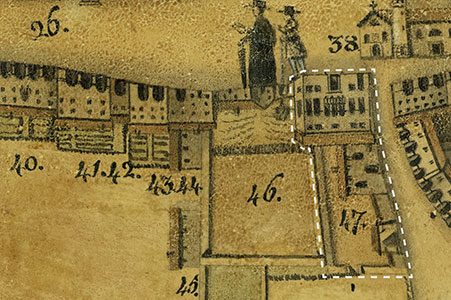
It is the current Piazza Indipendenza. Until the early nineteenth century it was simply called la Piazza (the Square).. At the end of the nineteenth century it was called Piazza Maggiore, then Piazza XX Settembre and then Piazza Roma. The current name dates back to the post-Second World War.
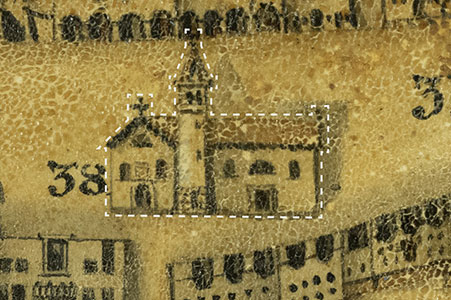
38. Church of S. Croce (St. Cross)
The Church of Santa Croce, now disappeared, is attested in 1310. On 16th October 1368 the oath of loyalty of the people of Latisana to Mainardo Count of Gorizia took place here. It was demolished in 1776 together with the adjacent Ospedale dei Poveri (Hospital of the Poor), dating back to the sixteenth century.
39. Capitanio
It is the house where the Captain governor of the fief of Latisana lived. It is named, with its cortivo (courtyard) and garden, in the act of division of the Vendramin brothers of 1528.
40. Grotti
Venetian family attested in Latisana in the XVI century (1591).
41. Zoccolari
Friulian-Venetian family attested in Latisana in the XVIII century.
42. Lavezari
Family present in Latisana in the XVII century.
EIGHTTH COLUMN: FROM 43 TO 48
43. Corradini
Old Venetian family present in Latisana in the XVIII century.
44. Cagnolini
Family attested in Latisana at the end of the XVI century. Noble family of Veglia. Its members were devoted to pharmacy and medicine. They are active as apothecaries even in the eighteenth century.
45. Grotto
Venetian family. They are attested in Latisana in the XVI century.
46. Cà Contarini
Venetian patrician family. They appear in Latisana as Jurists in the XVII century (1658).
47. Cà Benzon
The Benzon were a Venetian patrician family. This is the palace of the Vendramin family, brought as a dowry to the Contarini in 1644 and to the Benzon in 1700. The Venetian palace, now Palazzo Trevisan, was destroyed by bombing in 1944.
48. Piazzetta
Annex of the Square, it went between Palazzo Vendramin and Casa Cappello, up to the Tagliamento river. It is currently called Via del Battello
NINTH COLUMN: FROM 49 TO 54
49. Cà Cappello
Manor House of the Cappellos, Venetian patrician family. In Latisana they are attested in the XVIII century.
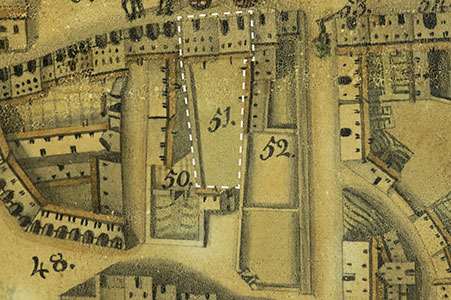
50. Tomasini
Family present in Latisana in the early XVIII century.
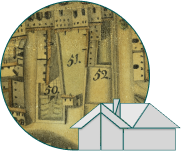
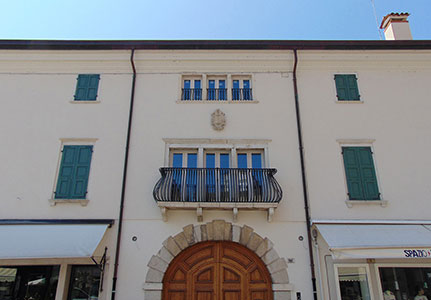
51. Abbot Morosso
House belonging to the abbot Agostino da Latisana, Carlo Morossi (Latisana 1629 - Venice 1713).
52. Beccaria
Building uses as a slaughterhouse.
53. Osteria Matassi (Matassis' Inn)
Osteria dei Matassi, family present in Latisana in the XVII century.
54. Ghetto
Building where the Jews lived in Latisana, permanently present from the XVI to the XVIII century. More than a ghetto we can speak of a giudecca in Latisana, or the delimitation of an area where the Jews resided for reasons of security and not of imposition.
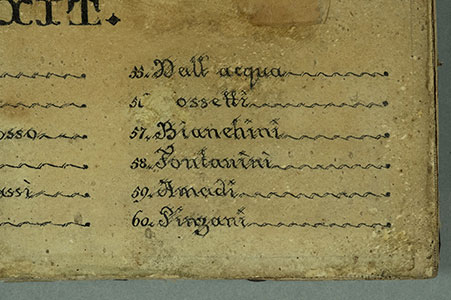
TENTH COLUMN: FROM 55 TO 60
55. Dall'Acqua
At the moment we do not have precise information on this family.
56. Rossetti
Family present in Latisana in the XVI century. In the writing the R is not visible any longer.
57. Bianchini
Family present in Latisana in the XIX century.
58. Fontanini
Family present in Latisana in the early XVII century.
59. Amadi
Family present in Latisana in the XVIII century.
60. Pinzani
Family present in Latisana in the XVII century.